Hotel Monroe
IPS PROVEN IN MOST HUMID STATE
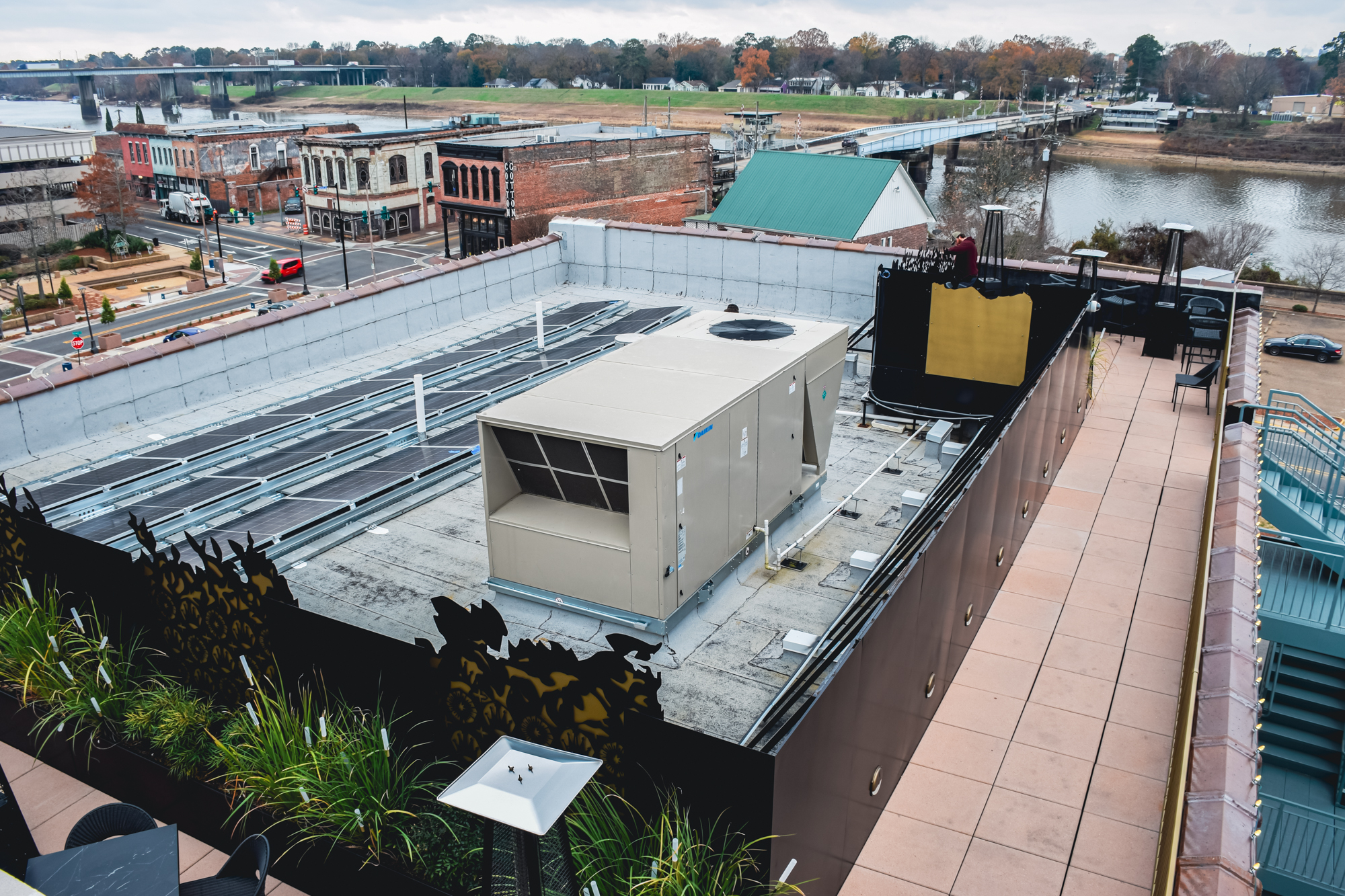
The Hotel Monroe presented a significant HVAC challenge: preserving historic architectural elements like exposed beams and low ceilings left almost no space for mechanical systems. Mechanical Concepts LLC and The Payne Company partnered with Williams Comfort Products to implement their Integrated Piping System (IPS) OnDemand, which uses domestic water piping to serve double duty for both potable and HVAC water, slashing material, labor, and space requirements.
Equipment: Williams Integrated Piping System (IPS) OnDemand System
LOCATION
Monroe, LA
BUILDING OWNER
Hotel Monroe
Manufacturer Representative
Dan Cason | Mechanical Concepts LLC | Shreveport, Louisiana
Mechanical Contractor
The Payne Company | Shreveport, Louisiana
Williams Comfort Products Representative
Monte Kartchner, Director of Business Development
Challenge
The need to select a high-efficiency HVAC system with a competitive upfront cost and impressive lifecycle cost while remaining simple enough to retrofit in a historic building with significant space constraints.
Solution
A quiet, LEED-friendly heating and cooling system that provides significant savings on installation, maintenance, operating costs and physical space. IPS installations are ideal for hospitality, assisted living, condos, apartments, or any other facility that’s occupied around the clock.
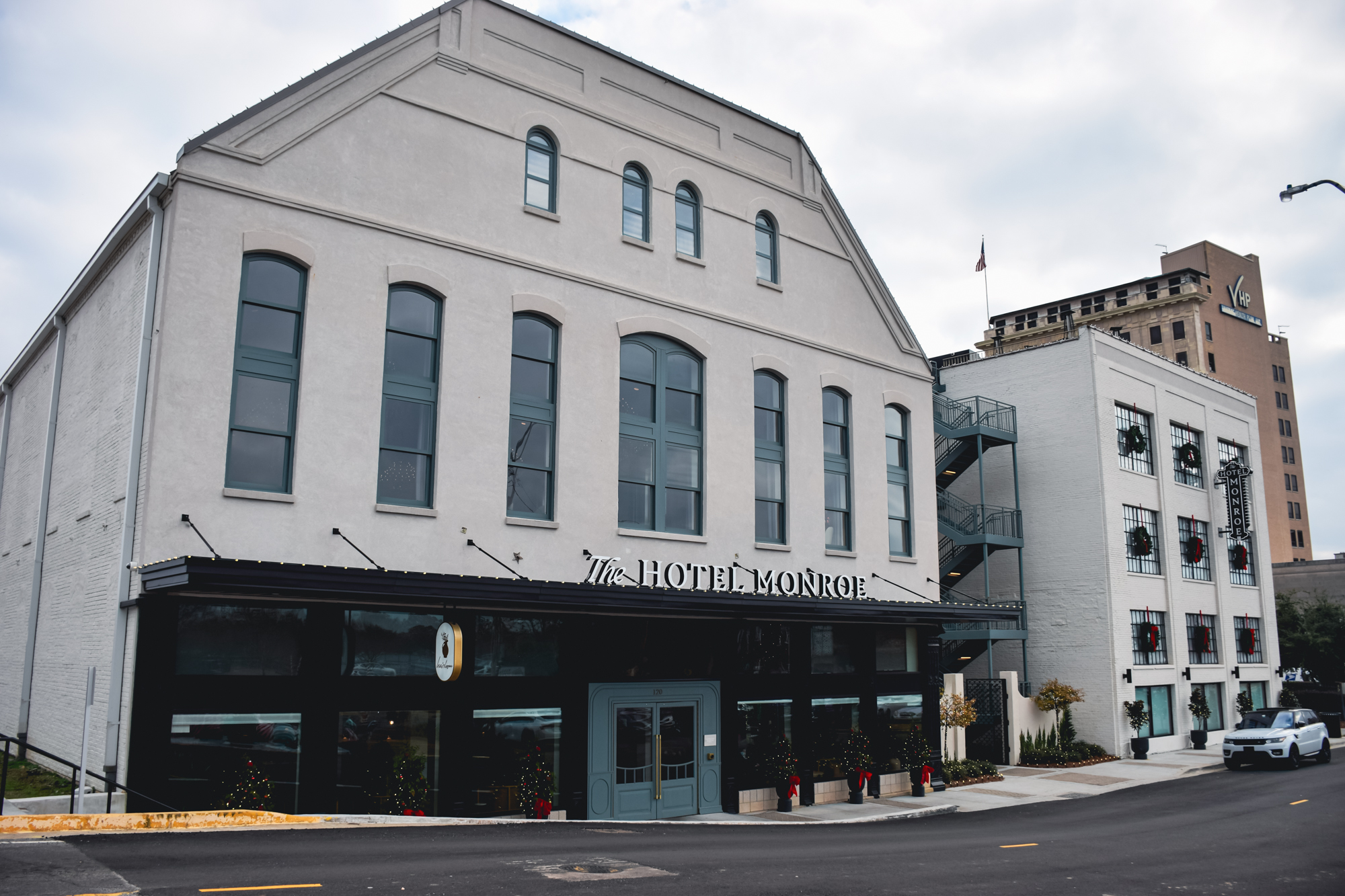
Monroe, Louisiana, is a city defined by the enduring grit of Louisiana’s industrial and cultural identity. Downtown, a once-quiet corner of Walnut Street is reawakening. What began in the late 19th century as a modest grocery and opera house has, over the decades, worn many hats; hardware store, social hub, even the storied Star Hotel of the 1920s.
These layers of regional history set the stage for The Hotel Monroe’s transformation into a 70-room boutique hotel within Hilton’s Tapestry Collection.
Purchased by local entrepreneurs more than a decade ago, the collection of historic structures at 120 Walnut Street has been meticulously restored and expanded, blending original architectural elements – like original brickwork, arched windows and exposed wood beams – with contemporary hospitality design.
The goal was more than just adaptive reuse; it was to create a vibrant space that reflects Monroe’s culture and economic resurgence, offering high-end lodging, southern-inspired dining, and flexible meeting spaces.
Following years of planning and construction, the hotel opened in mid-2025, ushering in a new era for downtown Monroe. The space that had been a hardware store was converted to guest suites. Meanwhile, the adjacent facility – originally an opera house – was transformed into meeting areas, a ballroom and a restaurant.
One of several design challenges was the need to select a high-efficiency HVAC system with a competitive upfront cost and impressive lifecycle cost while remaining simple enough to retrofit in a historic building with significant space constraints.
System Selection
System design for Hotel Monroe began in 2023. The Payne Company – a 200-person, family-owned mechanical firm in Shreveport, LA – consulted with Dan Cason, at Mechanical Concepts LLC to determine the best HVAC solution for the property. Mechanical Concepts is a manufacturer’s rep firm specializing in commercial and industrial hydronics.
“We were working with The Payne Company on a two-pipe, chilled water fan coil design with electric heat,” said Cason. “That was the initial design concept until we asked Monte Kartchner, Director of Business Development at Williams Comfort Products, to join the conversation.”
While meeting with Cason and Ken Payne, president of The Payne Company, Kartchner suggested that an Integrated Piping System (IPS) OnDemand system be considered rather than a standard two-pipe system and electric heat.
IPS is a piping system that utilizes the domestic water piping for hot and chilled water delivery to proprietary, NSF 61-certified fan coil terminal units. Every component within the piping system is rated for potable use, including the fan coil units.
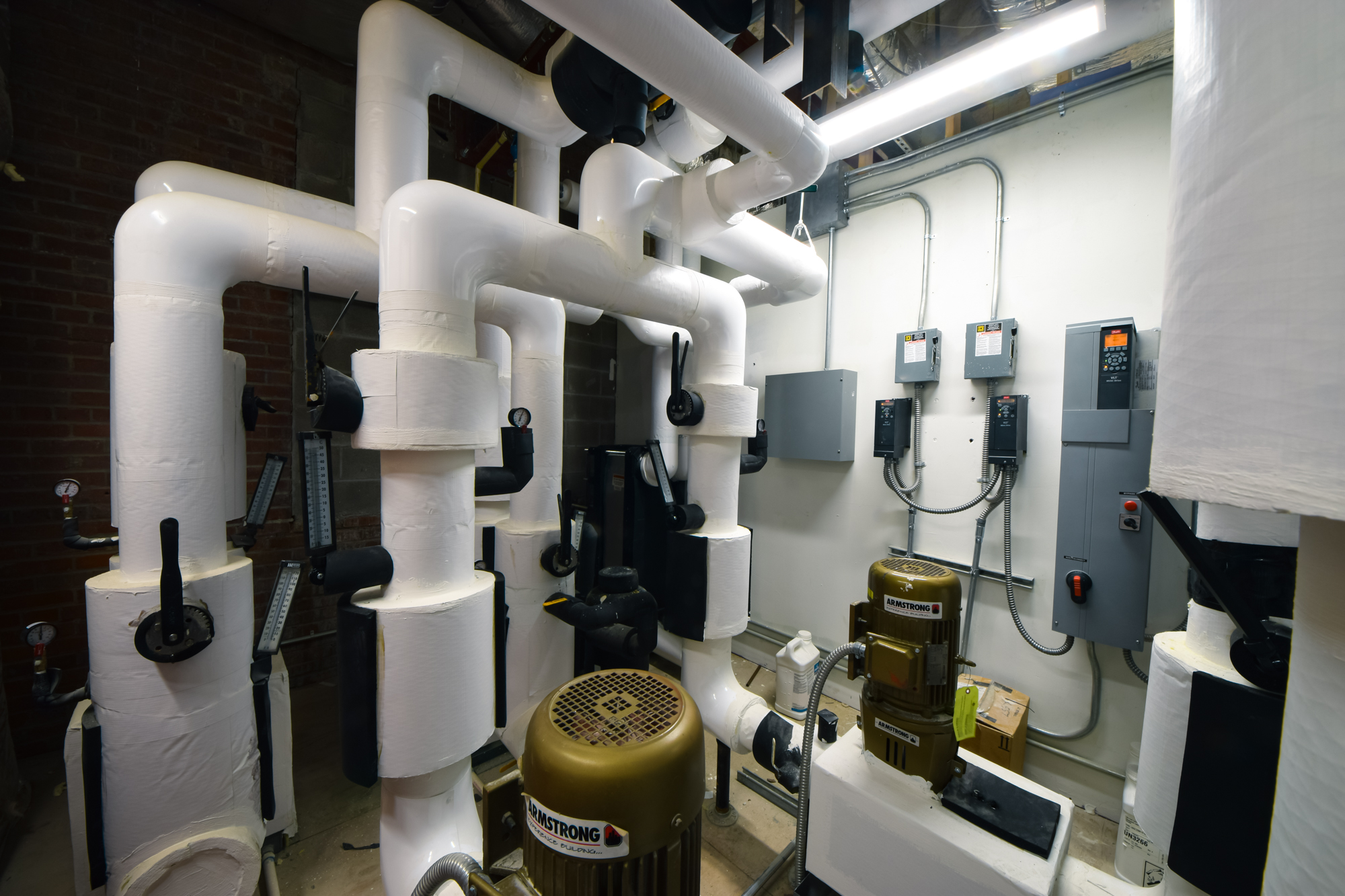
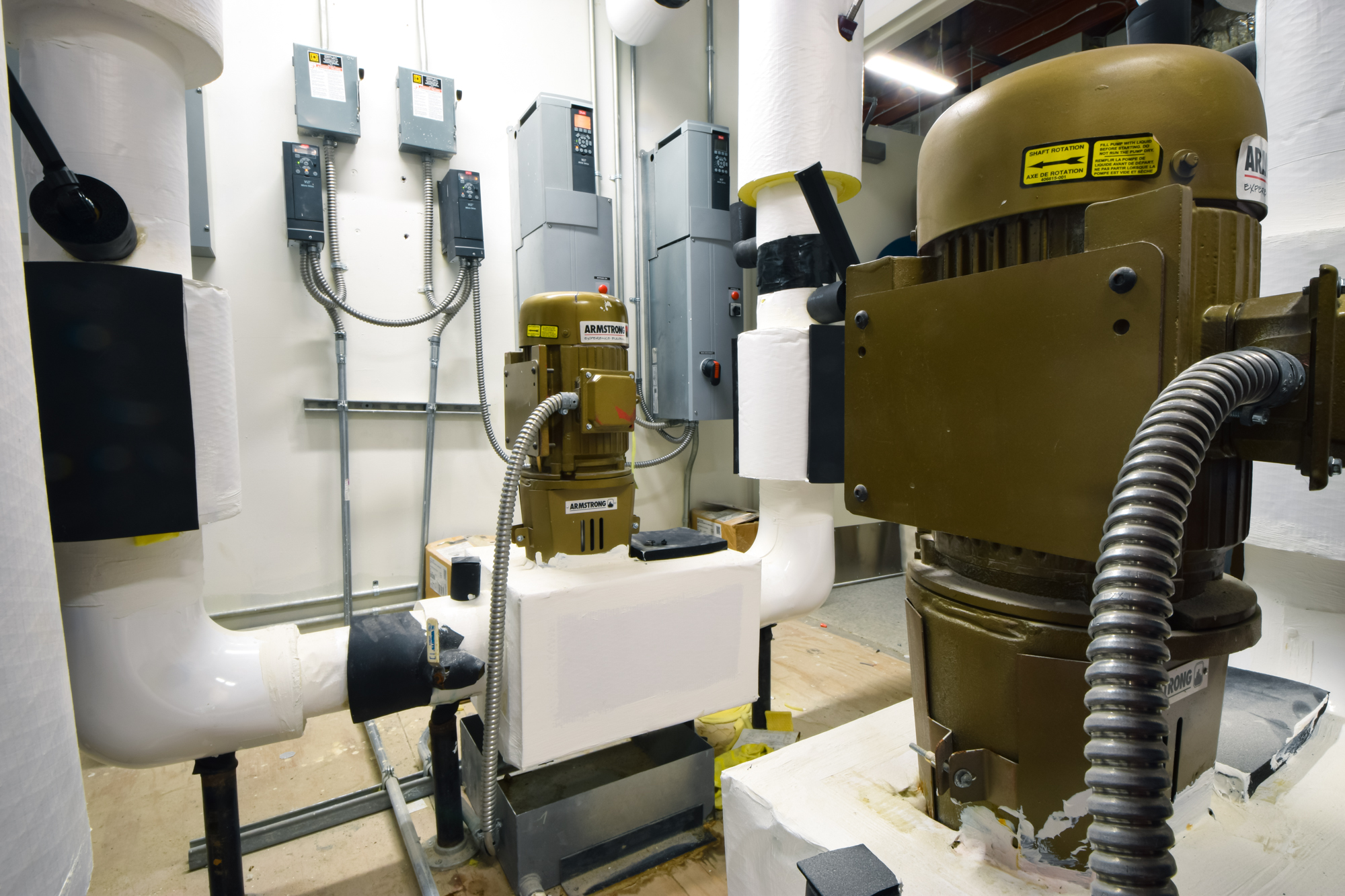
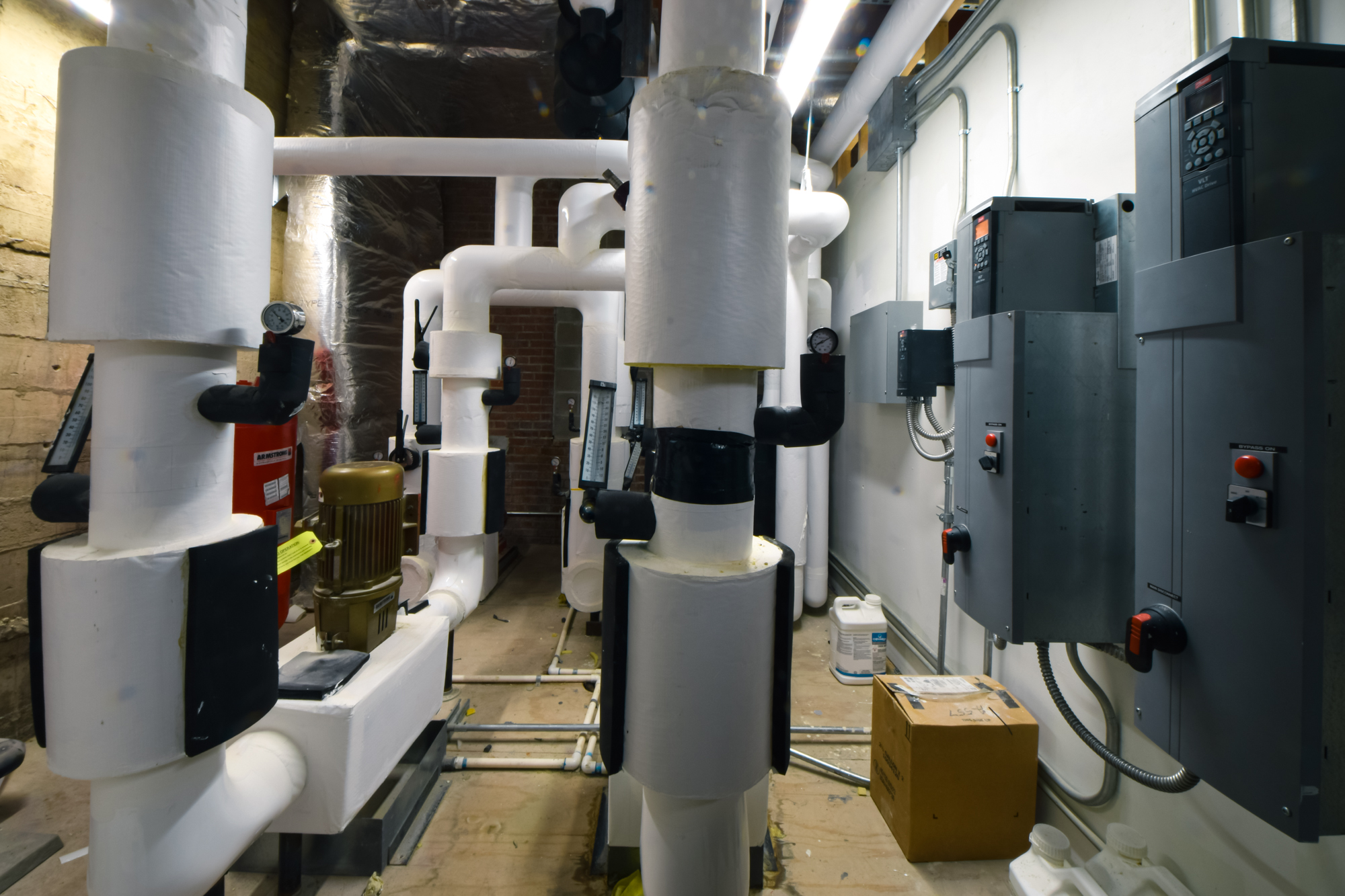
An OnDemand system consists of single-pipe distribution and primary-secondary pumping. The primary distribution system is a single pipe loop; the secondary distribution system is a decoupled secondary piping loop for each terminal unit in the system.
This system replaces all the expensive and energy-consuming control valves and most balancing valves found on a traditional hydronic system, with small, low kW circulators, which deliver the water where it needs to go, instead of forcing the water to go where it isn’t needed. The savings in raw material, installation costs, and energy consumption are substantial. OnDemand is a self-balancing system in which all zones receive the required flow at all times.
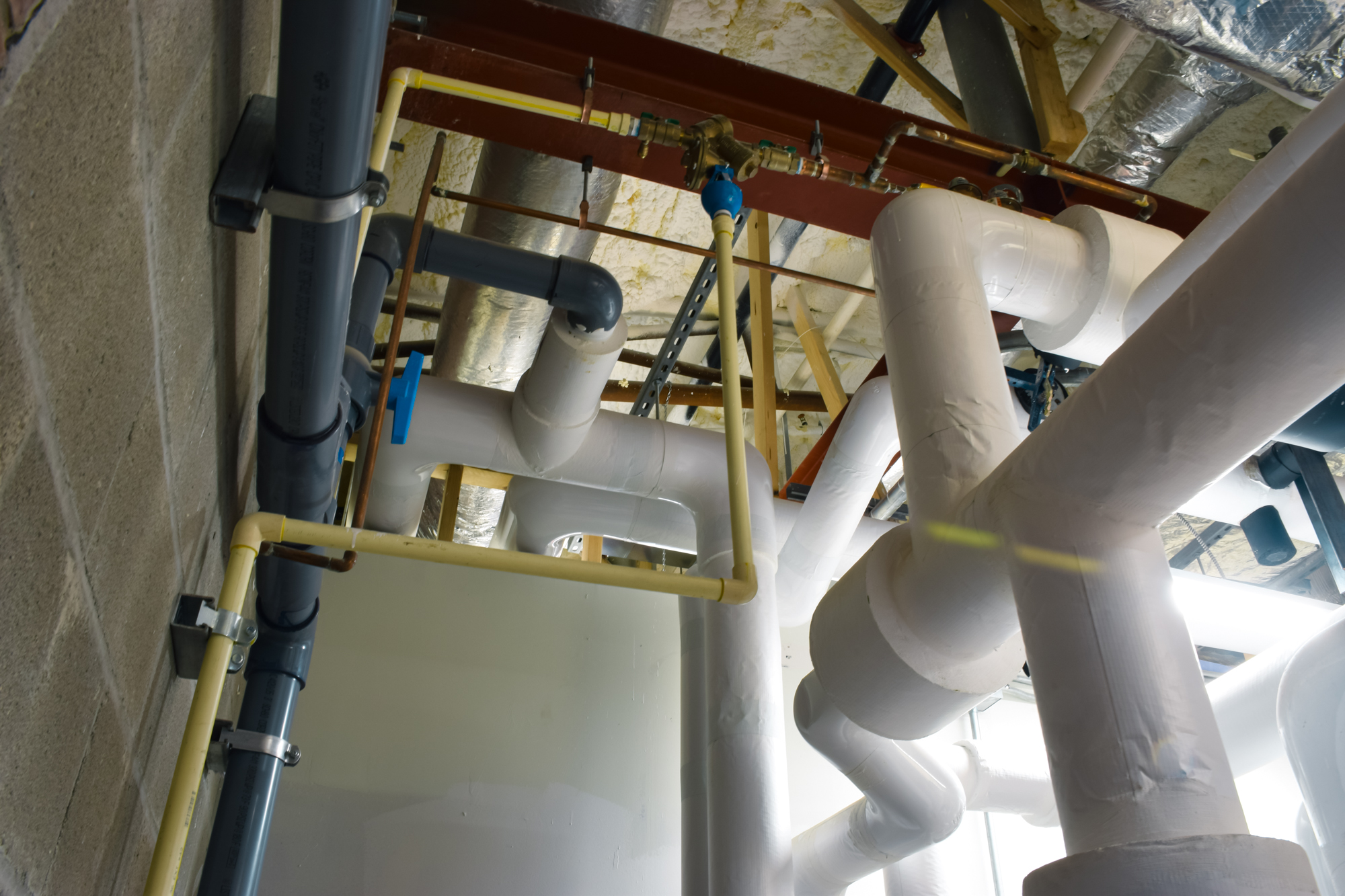
Williams Comfort Products pioneered the IPS system and has perfected the fan coils required to deploy IPS. Using the domestic piping system to carry water for the HVAC system dramatically reduces installation cost, time, and physical space needed. Upfront savings are realized by eliminating dedicated hydronic system piping from the scope of work simply because the domestic water piping serves double duty.
In the event there’s no call for heat or cooling for an extended period of time, Williams’ exclusive control board features a coil purge timer in each fan coil unit. Per ANSI standard, the control opens the coil’s zone valve for a brief period each day to eliminate the possibility of stagnation within the system.
The result is a quiet, LEED-friendly heating and cooling system that provides significant savings on installation, maintenance, operating costs and physical space. IPS installations are ideal for hospitality, assisted living, condos, apartments, or any other facility that’s occupied around the clock.
Clear Advantages
In essence, IPS offers the efficiency and energy savings of a green system, the comfort of a four-pipe hydronic system, and the affordability of a low-tech solution without placing noisy, maintenance-heavy components within the occupied space. Pairing on-demand with IPS further reduces mechanical space needs and energy consumption.
Early in the design phase, a wide variety of system types were considered for the guest room portion of the hotel; standard, split, VRF, four-pipe hydronic and even PTACs. Of all these options, only PTACs – and possibly the two-pipe fan coil system – would have fit space the space constraints, but PTACs weren’t an option for a Hilton Tapestry property.
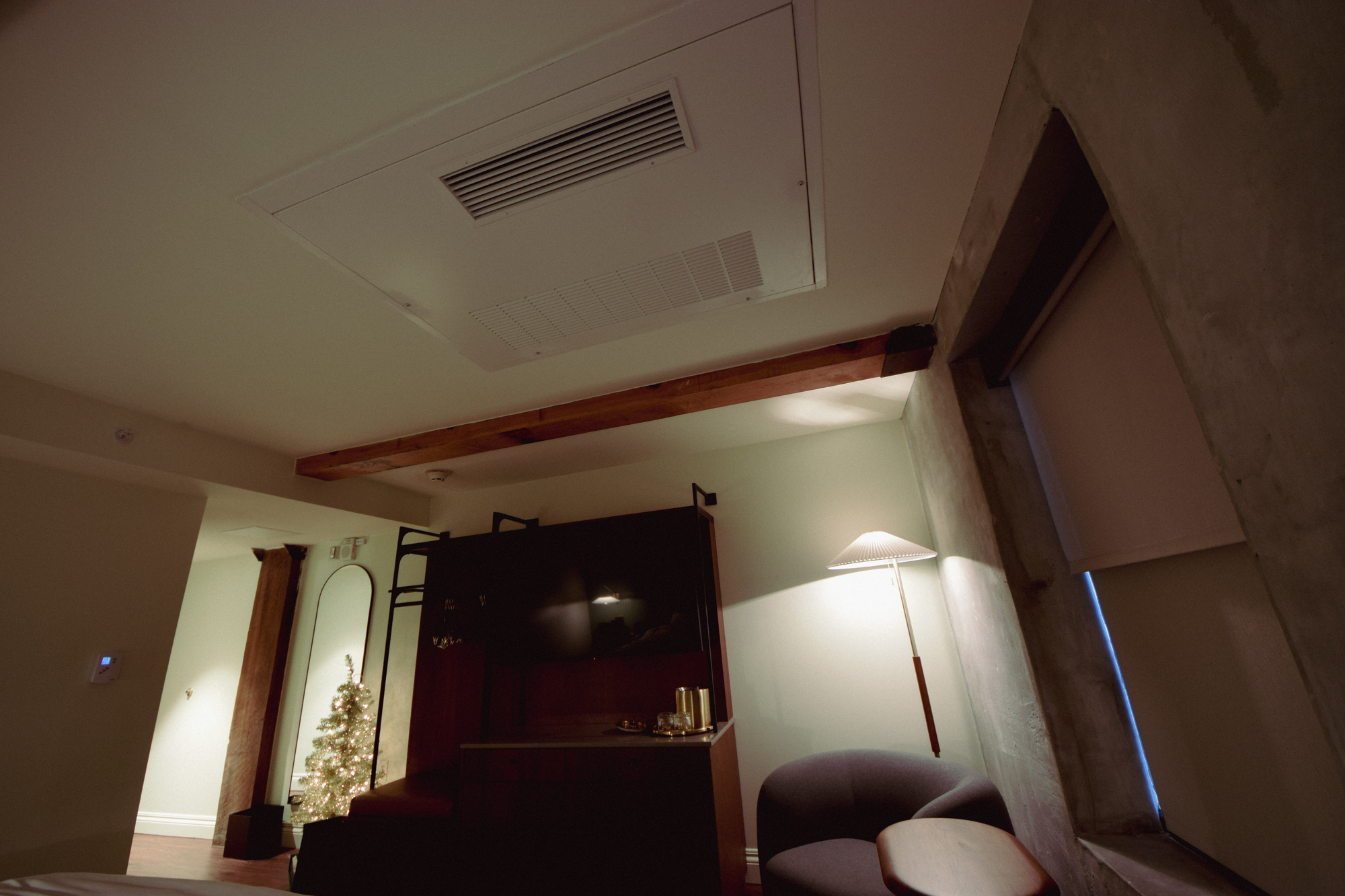
“As a historical retrofit, there were certain elements of the original building that needed to be maintained, such as the exposed beams in the guest rooms,” said Simmons. “This meant low ceilings with extremely limited space for mechanical components. When Ken Payne discussed this with the building owners, IPS was chosen because it offered the best use of space.”
“Maintaining historical integrity by reducing the amount of pipe and equipment was the biggest deciding factor,” explained Kartchner. “That said, there were significant dollar savings, too. The customer realized we could give them what they wanted – comfort and efficiency – at a lower budget than was expected for the base two-pipe and electric system.”
Careful Comparison
Late in the design phase and as additional support for Kartchner’s proposal to use IPS OnDemand instead of the base chilled water fan coil system with electric heat, a third-party system design software called Building Efficiency System Tool (BEST) was used to compare first cost, energy cost, and lifecycle cost of the two systems.
In the following figures produced by the BEST software, System 1 represents the base two-pipe chilled water fan coil system with electric heat. System 2 represents the Williams IPS OnDemand system with a condensing boiler for heat.
The lifecycle cost of the IPS OnDemand system is approximately 14.8% lower than that of the base two-pipe system. This comparison reflects the combined impact of initial (first) cost, ongoing energy consumption, and maintenance expenses over the life of the systems.
Annual energy expenses to operate the IPS OnDemand system are approximately 38% lower than those required for the base two-pipe system with electric heat. This reduction is achieved by eliminating electric heating elements from the building. The savings would be significantly higher in cooler climates.
The first cost of the IPS OnDemand is approximately 5% lower than that of the base system. While the base system avoids the upfront expense of a hydronic boiler system, it still includes costs associated with domestic hot water generation equipment and electric space heating elements within the building. In contrast, the IPS OnDemand system achieves cost savings by eliminating electric heating elements and, more significantly, by reducing both material and labor requirements. This is primarily due to the substantially lower amount of piping required throughout the building, as well as the use of CPVC piping in place of copper or steel.
Humidity Considerations
While Williams IPS OnDemand systems have been installed in hundreds of buildings throughout the US and Canada, it had never been implemented in a historic building in the deep South. Louisiana is the most humid state in the country, with average relative humidity levels exceeding 74 percent.
“The GC, Lincoln General Contractors, wanted a commitment from us that we’d be liable if the system couldn’t provide sufficient dehumidification,” said Cason. “We knew the system was capable, so we accepted the liability and explained how IPS would accommodate a cooling design day in Louisianna.”
Cason and Kartchner sized the chiller for the block load of the building, which ensured sufficient chilled water to handle the load. The DOAS was designed for a worst-case scenario and the guest suite fan coils had ample capacity to handle a portion of the dehumidification load.
“When excessive humidity is a concern, we add an extra row of coil inside the IPS terminal unit,” said Kartchner. “This provides a lower leaving air temperature. We upsize the coil without increasing the CFM or physical size of the unit. The design of our terminal units allows us to do this, while our competitors can’t. Our standard fan coil configuration has the heating coil in the reheat position.”
Less Invasive
Payne’s onsite work began in January of 2023, culminating two years and three months later.
“We consistently had two or three technicians onsite for the duration of the project,” said Simmons. “At certain times, like rough-in and top-out, we had 10 people on the job. The IPS system saved a ton of labor because it uses CPVC pipe instead of copper or steel.”
“It was easier to install for another reason, too,” Simmons continued. “It includes less equipment and less pipe than most alternative system types. We simply had less material to install and conceal.”
The guest suites particularly took some creativity on the part of installers. With nine-foot ceilings and exposed, original beams, there were few options.
“That part of the building is so unique,” said Adams. “Every room is different, and space was extremely tight. Payne built bulkheads at one end of each room to conceal pipe, but from my understanding, it wouldn’t have been possible if anything more than domestic water piping had been required.”
“Payne turned the keys over to us on April 29, 2025, at which point the building became my baby,” Adams continued. “We had our first guests a few weeks later and cooling season hit like a tidal wave. The Williams fan coils were immediately put to the test, and we haven’t had a single issue.”
Proof of Concept
In August of 2025, members of The University of Florida’s department of Planning Design & Construction toured Hotel Monroe. They visited during the hottest time of year. At the time of their visit, the hotel had been in operation for six weeks.
“The university is looking to implement a similar system at scale, and this was the nearest installation they could tour,” said Adams. “We were happy to host them, and Dan Cason and Monte Kartchner guided the walk-through.”
This building is now a showpiece for IPS OnDemand technology in the deep South. The university’s primary interest was in how well the system handles humidity. August in Louisianna comes with severe heat and humidity, and the university staff could feel how dry the air was and witness the lack of sweating in the air handlers.
“Everyone involved with the project has been impressed with the system’s performance, said Kartchner. “For those of us involved with the design, it’s just further validation that the IPS OnDemand system works in any climate. As far as energy performance is concerned, the system is within 5% of the BEST software model. Reality matches the theory, every time.”